 Call Us : 08071793850Call Us : 08071793850

 Send Inquiry
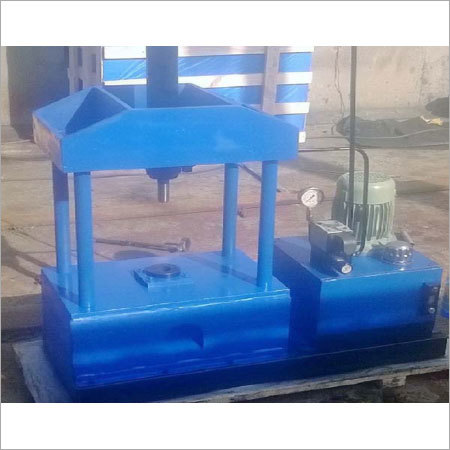
Hydraulic Press
MOQ : 1 Piece
Hydraulic Press Specification
- Nominal Force
- 100 Ton
- Power Source
- Electric
- Condition
- New
- Dimension (L*W*H)
- 2100 mm x 1200 mm x 2400 mm
- Power(W)
- 5.5 kW
- Voltage
- 380 V
- Motor
- Heavy Duty, 3 Phase AC
- PLC System
- Optional
- Solenoid Valve
- High Performance
- Pre-Fill Valve
- Yes
- Proportional Valve
- Installed
- Pressure Gauge
- Available
- Max Opening Distance
- 600 mm
- Working Table Size
- 800 mm x 600 mm
- Oil Tank Capacity
- 250 Liters
- Safety Features
- Overload Protection, Emergency Stop Button
- Cylinder Diameter
- 280 mm
- Ram Speed
- Up to 18 mm/s
- Production Rate
- High Efficiency
- Max Stroke
- 500 mm
- Weight
- Approx. 3500 Kg
- Hydraulic Pressure
- 25 MPa
- Control Type
- Manual / Automatic
- Sliding Table
- Yes
- Frame Type
- H-Frame
Hydraulic Press Trade Information
- Minimum Order Quantity
- 1 Piece
- Supply Ability
- 3 Pieces Per Month
- Delivery Time
- 7 Days
About Hydraulic Press
Our Hydraulic Press is a gadget utilizing a pressure driven barrel to create a compressive power. It utilizes the pressure driven likeness a mechanical lever, and was otherwise called a Bramah press after the designer, Joseph Bramah, of Britain. As Bramah introduced toilets, he examined the current writing on the movement of liquids and put this learning into the advancement of the press. The Hydraulic Press relies upon Pascals standard the weight all through a shut framework is steady. One component in the framework is a cylinder going about as a pump, with the unassuming mechanical power following up on a little cross-sectional region.
Precision and Efficiency Combined
The H-Frame Hydraulic Press is engineered for exceptional performance in metalworking, manufacturing, and fabrication environments. Its blend of high nominal force, adaptable control systems, and proportional valve integration ensures consistently precise pressing operations, while the heavy-duty build maximizes uptime and durability for extended industrial use.
Advanced Safety and User-Controlled Features
Operator safety is a priority, with overload protection and an emergency stop button built into the system. The sliding table, pressure gauge, and adjustable controls provide user flexibility and secure operation, letting operators fine-tune parameters for various taskswhether switching between manual or automatic modes or monitoring hydraulic pressure levels easily.
Versatility for Indian Industry Needs
This press supports distributors, fabricators, manufacturers, retailers, and service providers, making it an ideal choice for Indias diverse industrial landscape. Its high production rate, three-phase compatibility, and efficient hydraulic pressure management cater to large-scale as well as precision-focused operations, ensuring reliable performance every cycle.
FAQs of Hydraulic Press:
Q: How does the H-Frame Hydraulic Press maintain a high production rate?
A: The press achieves high efficiency through its powerful 100-ton force, 18 mm/s maximum ram speed, and an integrated sliding table for swift material handling. Additionally, user-selectable manual or automatic control modes help increase throughput during continuous or batch operations.Q: What safety features are incorporated into this hydraulic press?
A: For enhanced operator protection, the press is equipped with overload protection and an emergency stop button. These features help prevent accidents and machine damage by quickly shutting down operations in case of an emergency or excessive load.Q: When should the manual vs. automatic control be used?
A: Manual control is ideal for tasks requiring close supervision or adjustments, typically during setup or for unique custom jobs. Automatic mode suits repetitive or high-volume production processes, ensuring consistency and reducing operator fatigue during long shifts.Q: Where can this hydraulic press be installed and who can benefit from it?
A: This press is well-suited for use in fabrication shops, manufacturing plants, and industrial service centers across India. Distributors, fabricators, wholesalers, and service providers in metalworking, automotive, and heavy machinery sectors will find it especially beneficial.Q: What is the process for maintaining the hydraulic press?
A: Regular maintenance includes checking the 250-liter oil tank for fluid levels and contamination, inspecting the proportional and solenoid valves, and testing overload and safety features. Following scheduled inspections helps ensure optimal performance and machine longevity.Q: How does the PLC system enhance operations, and is it required?
A: The optional PLC system enables automated, programmable control of pressing cycles, enhancing precision and repeatability. While not strictly required for basic operation, it is recommended for advanced automation or integration into modern production lines.Q: What benefits does the sliding table provide during usage?
A: The sliding table allows for easier positioning of workpieces, facilitating faster loading and unloading. This reduces downtime between cycles, supports ergonomic operation, and contributes to the presss overall high production efficiency.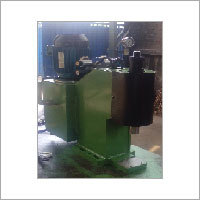
Tell us about your requirement

Price:
Quantity
Select Unit
- 50
- 100
- 200
- 250
- 500
- 1000+
Additional detail
Mobile number
Email

More Products in Industrial Hydraulic Press Category
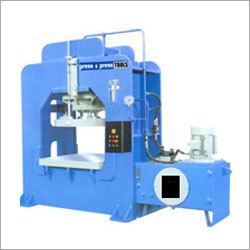
Hydraulic Press With Automation
Price Range 120000.00 - 500000.00 INR / Piece
Minimum Order Quantity : 1 , , Piece
Power Source : Hydraulic
Condition : New
Motor : HighEfficiency Hydraulic Motor
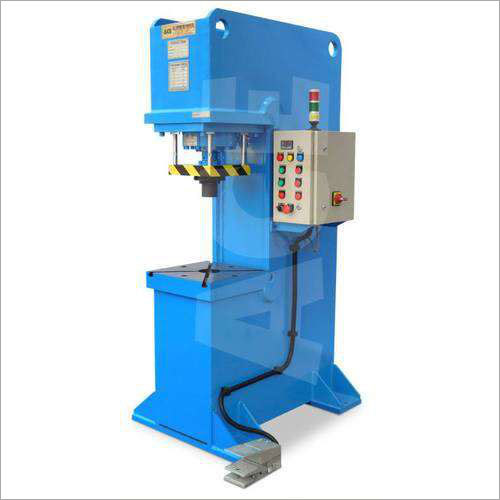
MS Hydraulic Press With Automation PLC Base
Price Range 120000.00 - 500000.00 INR / Piece
Minimum Order Quantity : 1 , , Piece
Power Source : Other, Electric
Condition : New
Motor : 7.5 HP Heavy Duty, 3phase
cheese straightening machine
Price 12500 INR / Unit
Minimum Order Quantity : 10 Units
Power Source : Hydraulic
Condition : New
Motor : Electric AC Motor

Automation PLC Base Hydraulic Press
Price 150000 INR / Piece
Minimum Order Quantity : 1 Piece
Power Source : Hydraulic

Address
GST : 24AEKPD1895C1ZR
- 57, Sadbhav Industrial Estate, Dhamtwan - Undreal Road, Near Dhamtwan Gam, Bakrol,Ahmedabad - 382435, Gujarat, India
- Phone :08071793850
- Send Inquiry
 Send Inquiry
 Send Inquiry
 Send SMS
 |
PERFECT ENGINEERING
All Rights Reserved.(Terms of Use) Developed and Managed by Infocom Network Private Limited. |
